Professor Sofia Ribeiro, the National Geological Survey of Denmark and Greenland, has received a Carlsberg Foundation Semper Ardens: Accomplish grant for her project POLARIS – ‘Probing the future of Arctic Marine Productivity from the Seabed’.
“The aim of project POLARIS is to uncover how Arctic marine producers respond to a changing climate” says Professor Sofia Ribeiro.
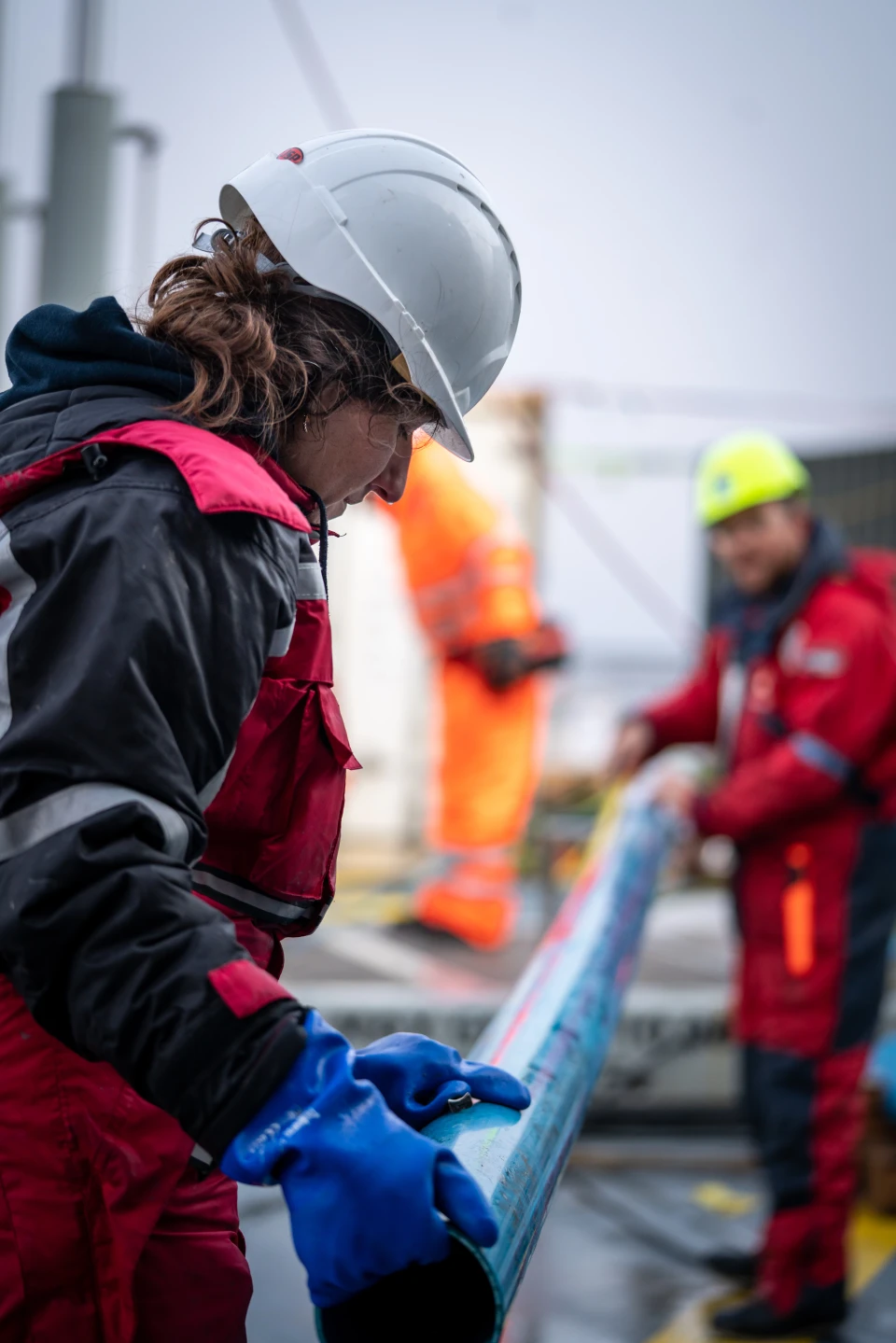
If we want better predictions of future effects of climate change, we can rely on the largest natural archive on the planet: marine sediments. The Arctic is a clear first mover of how the effect of a warming climate unfolds. In present day, the Arctic marine environment is changing at a pace unprecedented in the history of human civilization. But is it not the first time in the history of life that Arctic marine ecosystems have had to adjust to a fast-changing climate, and there is a lot to learn by digging into marine sediment archives which contain traces of past ecosystems. Knowledge that can inform our current efforts to predict the future effects of climate change.
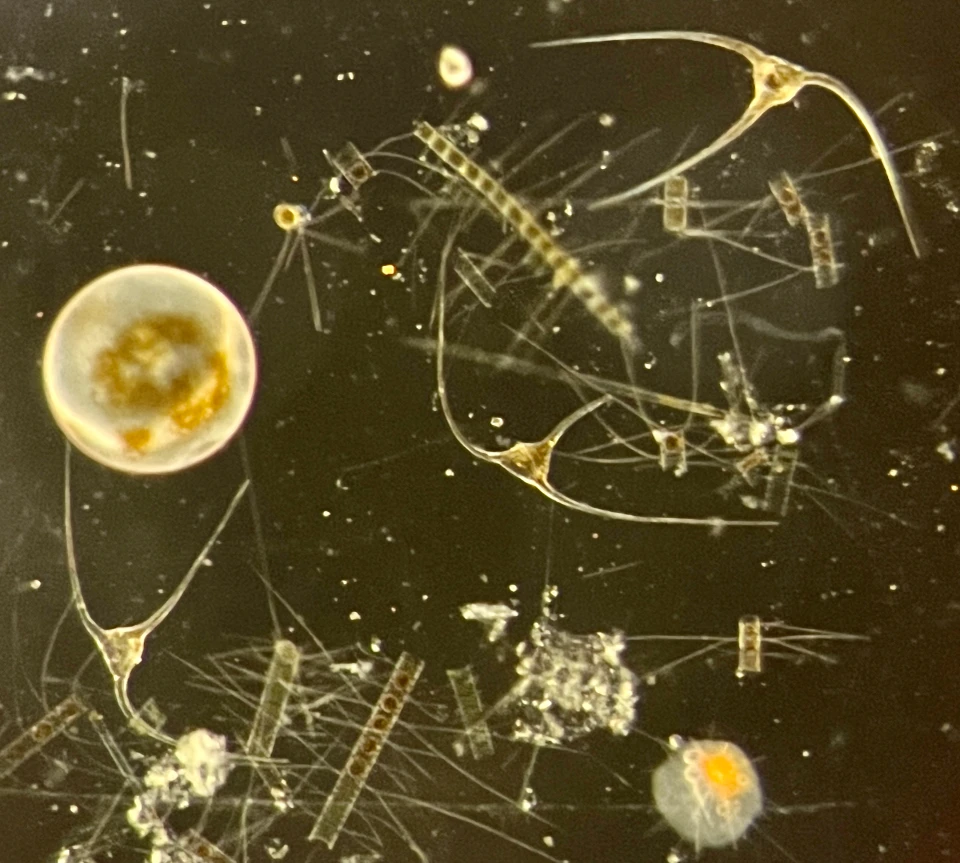
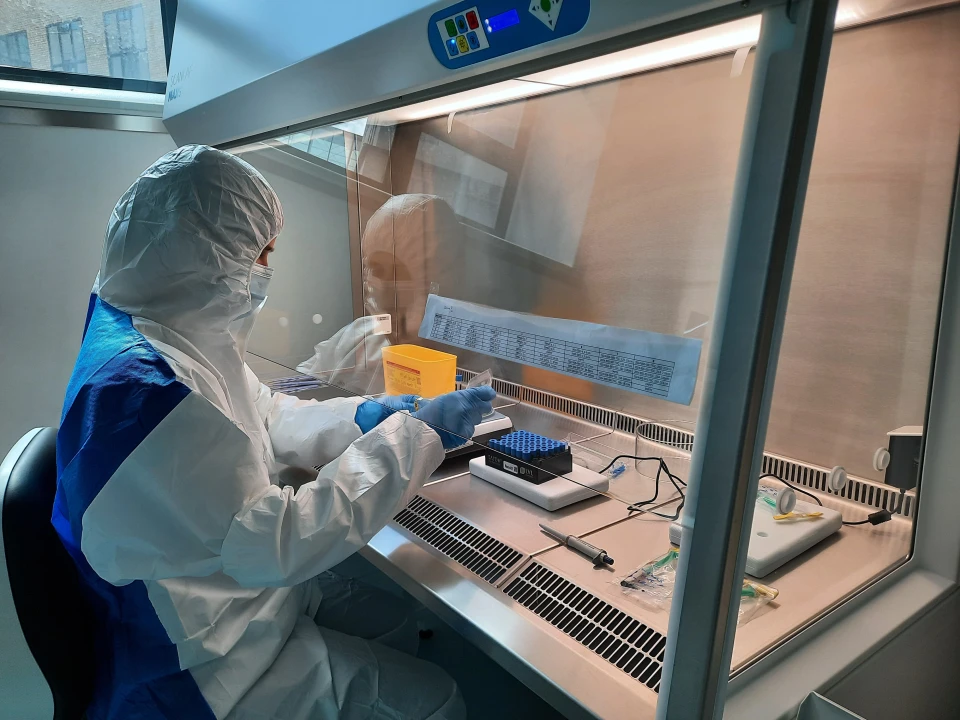
The project will use novel methods, including sedimentary ancient DNA, to create an archive of past climate responses in Arctic marine primary producers and predict future trajectories with Earth System and ecological modelling. This enables researchers to get a glimpse of the evolutionary processes the microscopic life of the Arctic oceans has been through and link them to climate changes.